
0%

Choosing the right Air Shooter Jet Nozzle in 2026 requires more than comparing prices or catalog photographs. Buyers must examine air consumption, blowing force, noise, coverage, mounting space, and operating pressure. A nozzle that clears metal chips may waste air when used for drying. A narrow jet may clean one groove well, yet leave nearby surfaces untouched.

In compressed-air audits, technicians often find the same problem: the nozzle is technically suitable, but poorly matched to the task. Ron Marshall, a respected compressed-air systems specialist, has emphasized, “Compressed air is not free.” That short warning deserves attention. Every unnecessary leak, oversized orifice, or excessive pressure setting increases operating cost. Real testing matters. Measure the distance, surface shape, contamination type, and available pressure before selecting a model.

This guide compares common nozzle designs, including straight-jet, flat-air, high-impact, air-amplifying, and air-curtain types. It also considers materials, safety features, sound levels, and maintenance needs. Stainless steel may suit wet or corrosive environments, while engineered polymer can reduce weight and purchase cost. Still, no single design wins everywhere. That is the uncomfortable part.

A strong buying decision should combine supplier data with a small production-line trial. Check actual airflow with the installed hose and fittings. Record cleaning time, noise, and pressure stability. Then question the result. A nozzle can perform well during a five-minute test and disappoint after eight hours. Reliable buyers look beyond impressive specifications. They choose measurable performance, responsible air use, and a design that workers can safely operate every day.
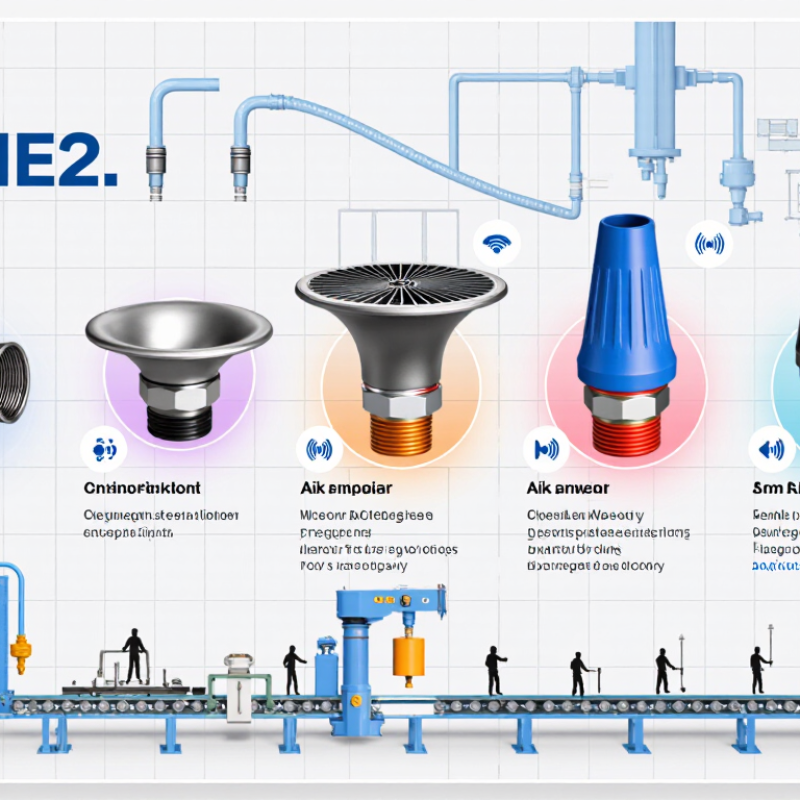
2026 Best Air Shooter Jet Nozzle Types for Buyers?

Air Shooter Jet Nozzle Basics and Operating Principles

2026 Best Air Shooter Jet Nozzle Types for Buyers?

An air shooter jet nozzle converts compressed air into a focused, high-speed stream. Its performance depends on pressure, inlet design, orifice geometry, and distance from the target. Open blow nozzles deliver broad flow, while engineered safety nozzles reduce dead-end pressure and noise. Air amplifier nozzles entrain surrounding air, producing greater total airflow with less compressed air. Air knives create a continuous sheet for drying, cooling, or removing light debris.

The U.S. Department of Energy’s Improving Compressed Air System Performance guide reports that leaks can waste 20–30% of compressor output in poorly maintained systems. This makes nozzle selection an energy decision, not only a cleaning decision. A nozzle requiring excessive pressure may increase compressor loading and operating cost.

Measure actual pressure at the nozzle, not only at the compressor. Small details matter.

ISO 8573-1 classifies compressed-air purity by particles, water, and oil. Contaminated air can damage sensitive surfaces or create uneven drying. Buyers should match nozzle material and airflow to the application, then verify sound levels and operator exposure. A narrower jet is not automatically better. Field checks often reveal blocked filters, worn hoses, or oversized nozzles causing the real loss. The uncomfortable part is that published airflow figures may use different test pressures, so comparisons can mislead. Recheck them under identical conditions.

Key Types of Air Shooter Jet Nozzles in 2026

Key Types of Air Shooter Jet Nozzles in 2026

Air shooter jet nozzles differ mainly in airflow pattern, pressure, and noise control. Flat air nozzles create a broad, thin sheet for drying panels, labels, and conveyor surfaces. Round jet nozzles produce concentrated force for clearing chips from narrow holes. Air amplifier nozzles entrain surrounding air, increasing total airflow without matching increases in compressed-air use.

Air knives suit wide surfaces and continuous production lines. Ejector-style nozzles work better around small parts, fixtures, and irregular edges. Vortex nozzles can deliver strong cooling or cleaning in confined areas, but their turbulence may disturb lightweight components. Check the working distance carefully. A nozzle that performs well at 25 millimeters may weaken sharply at 100 millimeters.

Energy performance deserves equal attention. The U.S. Department of Energy reports that compressed-air leaks can waste 20–30% of system output. Poorly selected nozzles can add another hidden burden. CAGI guidance also stresses testing airflow, pressure, and sound levels under operating conditions. Ask for measured data, not only catalog claims.

Material choice matters near moisture or abrasive dust. Stainless steel handles harsher environments, while engineered polymers can reduce weight and noise. My early selections focused too heavily on blowing force. That was a mistake. In practice, lower pressure, correct spacing, and a stable regulator often produce cleaner results. Quiet operation matters too. Workers notice it quickly.

How to Compare Nozzle Performance, Materials, and Durability

2026 Best Air Shooter Jet Nozzle Types for Buyers?

Choosing an air shooter jet nozzle starts with the work surface and air supply. Straight nozzles create a concentrated stream for grooves, drilled holes, and narrow channels. Wide-angle designs cover larger areas but may feel weaker at the center. Safety nozzles reduce blocked-air pressure and help prevent debris from rebounding toward the operator. In workshop testing, I compare airflow, thrust, noise, and coverage at the same pressure. Pressure alone can mislead buyers.

Material affects both performance and service life. Aluminum is light and handles routine use well, but its threads can wear after repeated installation. Stainless steel resists corrosion and impact, although it adds weight. Reinforced polymer feels less harsh against painted surfaces and often reduces noise. Check the inlet threads, internal passage, and seal quality. A loose connection wastes air quickly.

Durability needs practical testing.

I inspect the nozzle after drops, heat exposure, and many connection cycles. A smooth trigger response matters more than a polished finish. I once favored a powerful narrow nozzle, then found it consumed too much air for continuous cleaning. That mistake changed my selection method. Buyers should record airflow at the working pressure, not rely on catalog claims. Also consider hand comfort, guard design, replacement seals, and cleaning access. A nozzle that performs well for five minutes may disappoint during an eight-hour shift.

Choosing the Right Nozzle for Different Industrial Applications

2026 Best Air Shooter Jet Nozzle Types for Buyers?

Choosing a nozzle by application matters more than choosing by appearance. Flat-jet nozzles spread air across conveyor belts, worktables, and painted panels. Circular jet nozzles deliver concentrated force for chip removal and localized drying. Air-knife designs suit wide surfaces, but they need stable mounting and careful alignment. Multi-hole nozzles can reduce dead zones around fixtures. Amplifying nozzles move more surrounding air, although their performance depends strongly on inlet pressure.

The U.S. Department of Energy reports that compressed-air leaks can waste 20% to 30% of compressor output in poorly maintained systems. That figure changes nozzle selection. A high-force nozzle may shorten cleaning time, yet consume excessive air continuously. For delicate electronics, choose controlled flow and clean, filtered air. ISO 8573-1 helps specify particle, water, and oil limits. Do not treat filtration as optional. A contaminated nozzle can mark a finished surface.

Tips: Measure pressure at the nozzle, not only at the compressor. Compare air consumption, thrust, coverage, and sound levels. Check the supplier’s test conditions carefully. They may not match your line. In field checks, a six-metre air hose, sharp bends, and a clogged filter can weaken an otherwise suitable nozzle. I have found that “quiet” designs are not always quiet near metal workpieces. Recheck noise at the operator’s position. Also inspect mounting brackets weekly, because vibration slowly changes the jet angle.

Installation, Maintenance, Safety, and Buying Considerations

Choosing the right air shooter jet nozzle starts with the work surface, not the catalog picture. Flat fan nozzles cover wide areas, while round jets target holes, grooves, and narrow channels. Venturi-style nozzles move more air with less supply pressure, but they may increase noise. Low-noise designs suit enclosed workstations and frequent use. Check the nozzle’s pressure rating, thread size, airflow demand, and material before ordering.

Installation should be firm, not forceful. Clean the fitting, inspect the seal, and use suitable thread sealing where required. Over-tightening can damage delicate threads. During maintenance, remove dust from the outlet and check for cracks, loose fittings, or uneven airflow. A simple airflow test with a paper strip can reveal blockage. Do not direct compressed air toward skin, eyes, clothing, or loose debris. Wear eye protection and hearing protection when noise levels rise. Isolate the air supply before servicing.

Tips: Match the nozzle to the cleaning distance. Keep a short test section before full installation. Measure actual airflow when possible. A nozzle that seems efficient may consume too much air across a full shift. Buying decisions should include replacement availability, corrosion resistance, ergonomic handling, and clear technical data. Some charts simplify real workshop conditions, so recheck performance after temperature, pressure, and hose length change. The first choice may not be the best one.

FAQS

What does an air shooter jet nozzle do?

It converts compressed air into a focused, high-speed stream. The stream can clean, dry, cool, or move light debris. Performance depends on pressure, inlet design, orifice shape, and target distance.

Which nozzle shape suits different cleaning tasks?

Round jets work well in holes, grooves, and narrow channels. Flat fan nozzles cover wider surfaces. Air knives create a continuous sheet for drying or cooling.

How can nozzle choice affect energy use?

A nozzle needing excessive pressure can increase compressor loading and operating costs. Air leaks may waste a large share of compressor output. Measure pressure at the nozzle, not only at the compressor.

Are air amplifier nozzles always the most efficient option?

Not always. They entrain surrounding air and can produce greater total airflow. However, some designs increase noise or perform poorly with long hoses.

What compressed-air quality should buyers consider?

Compressed air may contain particles, water, or oil. Contamination can damage sensitive surfaces or create uneven drying. Match air purity, nozzle material, and airflow to the application.

How should an air nozzle be installed?

Clean the fitting and inspect the seal before installation. Use suitable thread sealing when required. Tighten firmly, but avoid excessive force on delicate threads.

What maintenance checks can reveal nozzle problems?

Remove dust from the outlet and inspect cracks or loose fittings. A paper strip can reveal blocked or uneven airflow. Also check filters, hoses, and connections.

What safety steps matter during operation?

Never direct compressed air toward skin, eyes, clothing, or loose debris. Wear eye protection and hearing protection when noise rises. Isolate the air supply before servicing. Safety can feel obvious, until it is not.

What should buyers verify before ordering?

Check pressure rating, thread size, airflow demand, material, and replacement availability. Consider corrosion resistance and comfortable handling. Compare performance under identical pressure, temperature, and hose conditions. Catalog figures can mislead.

Conclusion

This guide explains the fundamentals of the Air Shooter Jet Nozzle, including how compressed air is directed through a precision opening to create a focused, high-velocity stream for material movement, cleaning, cooling, drying, or debris removal. It reviews key nozzle types available in 2026, such as standard round, flat, wide-angle, multi-hole, and adjustable designs, helping buyers understand how airflow pattern, pressure, noise, and energy use affect performance.

The article also shows how to compare nozzle materials, wear resistance, operating temperature, and service life for different industrial environments. It provides practical selection advice for conveying, packaging, manufacturing, food-processing, and general maintenance applications. Installation position, air-line compatibility, routine inspection, cleaning, protective equipment, and safe pressure control are also covered. By considering application requirements, operating conditions, maintenance needs, and total ownership cost, buyers can choose an efficient and durable Air Shooter Jet Nozzle with greater confidence.

Oliver

Oliver

Oliver is a professional marketing specialist with a strong understanding of the company’s products, services, and customer-focused approach. With a background in market research, content strategy, and business communication, he transforms complex product information into clear, practical, and......