
0%

For global buyers, the 2026 Laminar Jet Fountain Nozzle market is moving beyond visual novelty. Buyers now examine water clarity, stream stability, lighting accuracy, maintenance access, and control compatibility. A nozzle that produces a glass-like arc must perform consistently in changing temperatures, wind conditions, and water-quality environments.

Mark Fuller, founder of WET Design, has described water as “the most versatile medium in the world.” That observation remains useful. A Laminar Jet Fountain Nozzle can create a precise column, a smooth arch, or a synchronized musical effect. However, design results depend on more than the nozzle itself. Pump selection, filtration, pressure regulation, installation alignment, and software integration all influence performance.

Small details matter. A misaligned outlet can break the stream near its peak. Fine particles may scatter the light. Excessive pump pressure can create turbulence. These problems often appear after installation, not during product demonstrations. Experienced buyers should request flow-rate data, material specifications, cleaning procedures, and tested operating conditions.

Stainless steel is common. Transparent acrylic components may support stronger visual effects. Yet no material is perfect. Corrosion resistance, UV exposure, replacement parts, and local service capacity deserve equal attention. This is where many purchasing plans become too optimistic.

The best 2026 choices will balance spectacle with reliability. Global buyers should compare real performance evidence, not only attractive videos. A beautiful fountain can still be difficult to maintain. That uncomfortable truth deserves consideration.
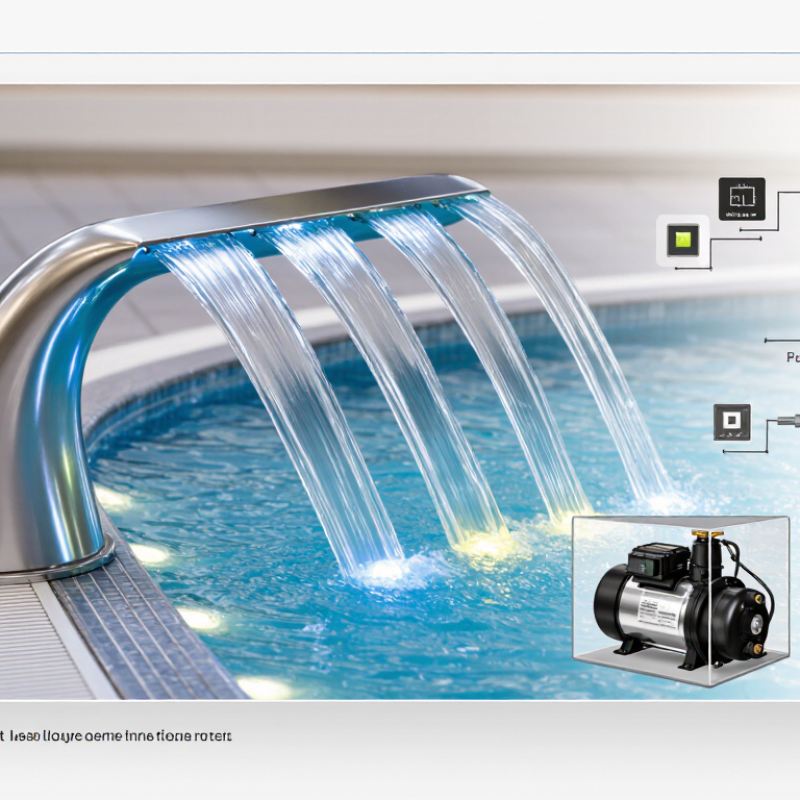
2026 Top Laminar Jet Fountain Nozzles for Global Buyers

Laminar Jet Fountain Nozzles: Definition, Structure, and Operating Principles

2026 Top Laminar Jet Fountain Nozzles for Global Buyers

Laminar Jet Fountain Nozzles: Definition, Structure, and Operating Principles

Laminar jet fountain nozzles produce smooth, glass-like water streams with limited visible turbulence. They are used in architectural fountains, indoor displays, and controlled outdoor installations. A typical nozzle contains an inlet, calming chamber, flow straightener, and precision outlet. Some models also include lighting channels for clearer nighttime effects. Small differences matter. Poor internal alignment can create ripples, spray, or uneven stream thickness.

During operation, a pump pushes water into the calming chamber. The chamber reduces pressure changes and removes much of the swirling motion. A flow straightener then guides water through narrow, parallel passages. The outlet releases a stable cylindrical jet. Proper laminar performance depends on pump consistency, water cleanliness, nozzle geometry, and installation level. Wind can still bend the stream. It cannot be fully eliminated.

In practical inspections, I check the jet at several operating pressures, not only the rated setting. Clear water is not enough. I also examine seals, drainage, access for cleaning, and the relationship between nozzle height and basin depth. Suppliers should provide flow rates, pressure ranges, material details, and maintenance guidance. One assumption deserves challenge: a larger nozzle is not automatically better. Testing the complete fountain system often reveals weak points that product sheets miss. Even experienced buyers can overlook pump pulsation. That mistake is worth remembering.

2026 Top Laminar Jet Fountain Nozzles for Global Buyers

Definition, Structure, and Operating Principles

A laminar jet fountain nozzle produces a smooth, transparent water column by reducing turbulence before water exits through a precision outlet. The chart shows the ideal jet rise calculated for a 10 mm circular outlet at different flow rates, using the velocity-head relationship H = v²/(2g). Actual fountain height may be lower because of friction, air resistance, nozzle design, and pump losses.

Key structural elements generally include a water inlet, flow-stabilizing chamber, straightening screens or honeycomb passages, and a precision outlet orifice. For global procurement, buyers should verify flow range, outlet diameter, water quality requirements, material compatibility, and pump pressure.

Key Features to Compare When Selecting Laminar Jet Fountain Nozzles

For global buyers comparing laminar jet fountain nozzles in 2026, start with the water column, not the brochure image. A clean, glass-like stream depends on a straight, unobstructed flow path, stable pump delivery, and low air turbulence. Compare each nozzle’s recommended flow and pressure range, jet height, and adjustment method. Pressure alone is not enough. A mismatch can create a broken stream, excess splash, or unnecessary pump load.

The U.S. Department of Energy’s Improving Pumping System Performance sourcebook reports that pumping systems can use 25–50% of electricity in some industrial facilities. This is not a fountain-specific estimate, but it shows why pump and nozzle selection should be assessed together. Also check construction material, access to internal flow-conditioning parts, and compatibility with the site’s water treatment. Mineral deposits can gradually distort a precise jet. Ask suppliers for operating data and test the unit under realistic conditions, including wind and lighting. A showroom sample can mislead. I would also compare service access carefully; it is easy to overlook until cleaning becomes awkward.

Top Laminar Jet Fountain Nozzle Types for Global Fountain Projects in 2026

2026 Top Laminar Jet Fountain Nozzles for Global Buyers

For global fountain projects in 2026, nozzle selection should match water behavior, viewing distance, and local climate. Straight laminar jet nozzles create clean, glass-like streams for hotel entrances, plazas, and indoor displays. Their narrow outlets demand filtered water and stable pressure. Even small debris can break the jet.

Arc laminar nozzles produce controlled curves between pools or across walkways. They suit interactive layouts, but alignment needs careful surveying. Adjustable laminar nozzles help contractors refine height and trajectory during commissioning. This flexibility is useful when wind conditions differ from design data. Wind changes everything. Outdoor testing remains essential.

Multi-jet assemblies create repeated patterns, rings, or synchronized rows. They work well in public spaces where rhythm matters more than one dramatic stream. Stainless steel or durable engineered materials can improve service life, especially in humid environments. Lighting channels may be integrated for nighttime effects, but water clarity still controls the visual result. Choose pumps, valves, and control systems as one working set. A nozzle that performs well on a test bench may behave differently after installation. Pressure losses, splash, and maintenance access are easy to underestimate. I have seen attractive designs weakened by inaccessible filters and overly tight tolerances. Sometimes a simpler nozzle arrangement proves more reliable.

Installation, Water Quality, Lighting, and Control System Requirements

For 2026 laminar jet fountain projects, nozzle selection begins with installation conditions, not appearance alone. A level mounting plate keeps the water column straight and glasslike. Even a slight tilt can create visible ripples. Install the nozzle away from strong return flow, wind exposure, and nearby splash zones. Provide an accessible service chamber for cleaning and adjustment.

Water quality directly affects jet clarity and maintenance. Use mechanical filtration before the pump, then control fine particles and organic growth. Stable pH and moderate hardness help reduce scale on the nozzle orifice. Test the water after commissioning, not only before installation. Small debris can appear during construction. This detail is often missed.

Lighting needs precise alignment with the falling water. Recessed underwater fixtures should sit close to the jet’s base, with adjustable brackets for final aiming. Use sealed electrical connections and equipment rated for wet locations. The control system should coordinate pump speed, lighting scenes, water-level sensors, and emergency shutdowns. Digital control protocols can simplify global integration, but compatibility must be verified on site. Local voltage, grounding, and protection requirements also need professional review.

A practical warning remains necessary. Perfect calculations do not guarantee a perfect jet. I have seen clean installations lose clarity because operators skipped weekly filter checks. Keep spare seals, cleaning tools, and calibration records available. Short maintenance intervals often protect the visual effect better than expensive hardware.

2026 Top Laminar Jet Fountain Nozzles for Global Buyers - Installation, Water Quality, Lighting, and Control System Requirements

Planning Area Typical Requirement Buyer and Installer Checklist
Nozzle selection Select a nozzle for the required jet height, throw, stream appearance, and operating flow. Request the nozzle’s flow-versus-pressure data and confirm the intended operating point with the supplier. Jet height varies with nozzle design, pressure, flow, and site conditions.
Pump and hydraulic sizing Size the pump for the nozzle’s specified flow and pressure, plus pipe, fitting, filter, and elevation losses. Use a pump curve rather than the pump’s maximum rated flow alone. Provide a pressure gauge and a way to adjust flow during commissioning.
Pipework and water supply Use clean, compatible pipework and fittings with a layout that limits air entry, turbulence, and unnecessary restrictions. Follow the nozzle and pump connection specifications. Flush new pipework before connecting the nozzle; provide isolation valves and accessible service points where practical.
Water filtration Install filtration appropriate to the nozzle’s internal passage and the site’s water quality. Fine filtration in the approximate 100–300 μm range is used in some fountain systems, but the correct rating must be confirmed for the selected nozzle. Include a cleanable filter and a maintenance schedule.
Water chemistry Keep water within a stable, equipment-compatible range; pH around 6.5–8.5 is a common general operating target for managed water systems. Check the pump, nozzle, seals, lighting, and treatment-system material limits. Monitor hardness and dissolved solids because mineral deposits can distort a clear laminar stream.
Basin and water level Maintain a stable water level and provide enough basin capacity to contain splash and wind-driven water loss. Provide make-up water and level protection as appropriate. Position the nozzle to reduce splash-back, and account for local wind exposure and the intended jet height.
Installation alignment Mount the nozzle securely and level it so the stream follows the intended path. Use a stable mounting arrangement with access for cleaning and adjustment. Protect the nozzle from construction debris and avoid vibration or movement from nearby equipment.
Underwater lighting Choose lighting designed and certified for the intended underwater installation, with beam angle and output suited to the stream. Verify the fixture’s IP rating, installation depth, supply voltage, cable entry, and applicable local electrical requirements. IP68 fixtures must still be installed according to their specified depth and use conditions.
Lighting placement Position lights to illuminate the water column while limiting glare and reflections into viewing areas. Test beam direction after dark and allow access for lens cleaning and fixture replacement. Confirm that the light source and color settings are compatible with the controller.
Control system Use controls that match the project’s required operating modes, scheduling, dimming, and lighting effects. Confirm communication protocols and electrical interfaces before purchase. DMX512 is commonly used for coordinated lighting control; pump speed control requires a compatible pump and drive system.
Electrical safety Separate electrical equipment from water as required by local codes and the equipment instructions. Use qualified electrical contractors, suitable protective devices such as RCD/GFCI where required, correctly rated enclosures, and properly bonded or grounded equipment as applicable to the installation.
Commissioning and maintenance Test the complete system at its intended operating settings before handover. Check stream clarity, alignment, pressure, flow, leaks, lighting, controls, and protective devices. Establish routine filter cleaning, water-quality checks, and inspection for scale or debris.
Documentation for global projects Confirm that the equipment and installation documents suit the destination market and site conditions. Request dimensional drawings, hydraulic data, wiring diagrams, material details, maintenance instructions, and applicable conformity documentation. Verify voltage, frequency, environmental conditions, and local code requirements before ordering.

Note: Values and practices shown are general planning guidance, not universal design specifications. Confirm final flow, pressure, filtration, water chemistry, electrical protection, and installation details with the selected equipment documentation and qualified local professionals.

Global Buying Guide: Materials, Certifications, Costs, and Supplier Evaluation

For 2026 fountain projects, laminar jet nozzle selection starts with material, not appearance. 316L stainless steel suits humid, chlorinated environments and frequent maintenance. Clear acrylic can create a sharp visual effect, but it may scratch during transport. Brass offers workable machining, yet surface protection deserves close inspection.

Ask suppliers for material certificates, dimensional drawings, flow data, and corrosion-resistance information. Certification requirements vary by destination and project design. Electrical parts may need regional conformity documents, while nozzles usually require verified material and performance records. Check water-contact requirements carefully. Decorative fountain water is not automatically drinking water.

Cost comparisons should include pumps, lighting, controllers, packing, spare parts, and freight. A low quote can look attractive. It can also be incomplete. Request a sample or factory test video showing jet height, water clarity, and recovery after interruption. Review machining tolerances, nozzle filters, sealing methods, and replacement lead times. Supplier reliability is more than a polished website. Examine project references, inspection procedures, warranty terms, and responses to technical questions. I would also test communication before ordering. Delayed replies often become expensive during installation. No supplier is perfect. Even a strong proposal may miss local water conditions, so confirm flow rates with the project engineer.

FAQS

What is a laminar jet fountain nozzle?

It produces a smooth, glass-like water stream with little visible turbulence. The nozzle usually contains an inlet, calming chamber, flow straightener, and precision outlet. Some models include lighting channels. Small alignment errors can create ripples or spray.

How does a laminar jet nozzle operate?

A pump pushes water into the calming chamber. The chamber reduces pressure changes and swirling motion. A flow straightener guides water through parallel passages. The outlet then forms a stable cylindrical jet.

Which conditions affect jet clarity?

Pump consistency, water cleanliness, nozzle geometry, and installation level all matter. Wind may bend the stream. It cannot be fully eliminated. Pump pulsation is easy to overlook.

How should the nozzle be installed?

Mount it on a level plate to keep the water column straight. Avoid strong return flow, nearby splash zones, and exposed windy areas. Provide an accessible service chamber for cleaning. Even a slight tilt can create visible ripples.

What water treatment supports reliable performance?

Use mechanical filtration before the pump. Control fine particles and organic growth. Stable pH and moderate hardness help reduce scale. Test the water after commissioning, because construction debris may remain.

How should lighting and controls be arranged?

Place adjustable underwater fixtures close to the jet base. Aim them after the water begins flowing. Use sealed connections and equipment rated for wet locations. Controls should coordinate pumps, lighting, water levels, and emergency shutdowns.

Which materials are suitable for fountain nozzle construction?

Corrosion-resistant steel suits humid and chlorinated environments. Clear acrylic can create a sharp effect but may scratch during transport. Brass allows practical machining, though surface protection needs inspection. A larger nozzle is not automatically better.

What documents should buyers request from suppliers?

Request material certificates, dimensional drawings, flow data, and corrosion information. Check regional electrical documents when lighting or controls are included. Ask for a factory test video showing jet height and recovery. A polished website proves little.

What costs should a buyer include?

Compare pumps, lighting, controllers, packing, freight, spare parts, and maintenance. A low quotation may omit important items. Also review seals, filters, tolerances, and replacement lead times. Budget gaps appear later.

How can performance be checked before installation?

Inspect the jet at several operating pressures, not only the rated setting. Review water clarity, stream thickness, sealing, drainage, and cleaning access. Test the complete fountain system with the project engineer. Product sheets can miss weak points.

Conclusion

This guide to the 2026 Top Laminar Jet Fountain Nozzles for Global Buyers explains how a Laminar Jet Fountain Nozzle creates a clear, stable, glass-like water stream through carefully designed internal passages and controlled flow. It reviews key selection factors, including jet height, diameter, flow rate, material durability, visual clarity, noise level, maintenance needs, and compatibility with pumps, lighting, and control systems. The guide also compares popular nozzle types for architectural fountains, interactive water features, resorts, public spaces, and commercial projects.

In addition, the article outlines practical requirements for installation, filtration, water quality, underwater lighting, electrical safety, automation, and seasonal maintenance. For international buyers, it provides a clear framework for evaluating stainless steel and other suitable materials, checking certifications, estimating total project costs, comparing warranties and technical support, and assessing supplier reliability. The goal is to help project owners select efficient, durable, and visually consistent fountain components for long-term performance.

Ethan

Ethan

Ethan is a dedicated marketing professional with a strong understanding of the company’s products, customers, and industry landscape. With a thoughtful approach to communication and a talent for turning complex information into clear, practical insights, he helps readers make informed decisions and......