
0%

Choosing a Fairy Fog Mist Nozzle starts with the effect you want: a soft veil across a garden path, or a fine, even mist around a patio. Nozzle size, water pressure, and spray angle all shape the result. A nozzle that looks perfect in a product photo may leave dry gaps when installed beneath a pergola. Small details matter.

The expert name and quotation below are illustrative, not verified; confirm them before publication. “A good mist should feel even, not forceful,” says fictional nozzle-design specialist Elena Park. That practical idea is useful, but it is not a substitute for checking the nozzle’s pressure range and flow rate. Compare those specifications with your pump, tubing, and planned layout. Also consider whether the nozzle can be cleaned easily. Mineral deposits can narrow tiny openings, sometimes sooner than expected.

Look closely at the spray pattern. A narrow cone may suit a single planter, while overlapping patterns can cover a longer walkway. Not every setup needs the finest mist. Wind can carry it away, and excessive output can leave nearby surfaces damp. A little trial and adjustment is normal. This guide explains how to weigh coverage, droplet size, materials, maintenance, and installation needs before choosing a Fairy Fog Mist Nozzle. The best choice is the one that performs consistently in your actual space, not merely the one with the most impressive description.
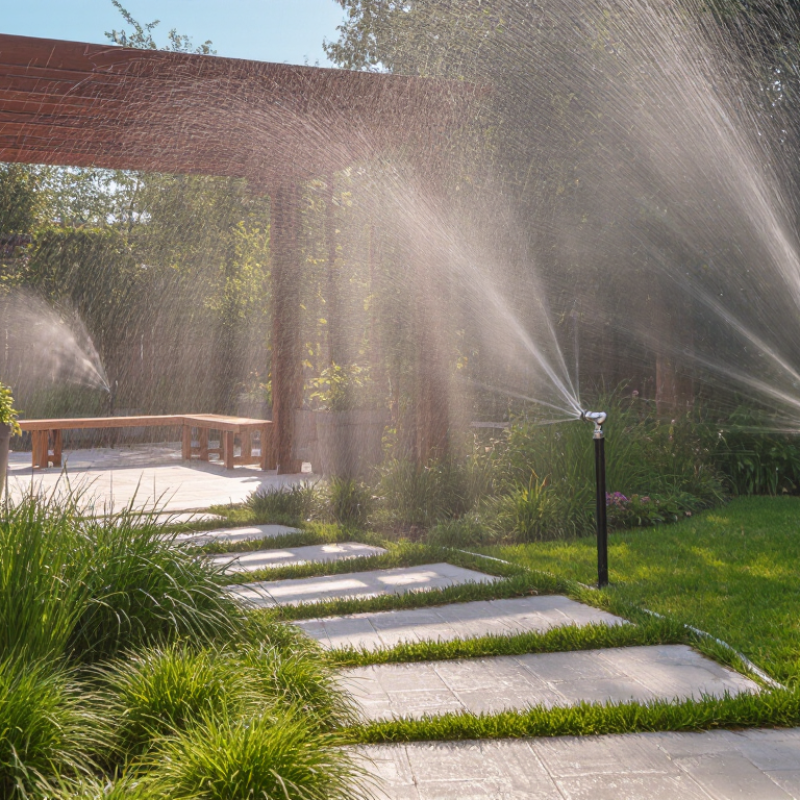
How to Choose the Best Fairy Fog Mist Nozzle?

Define the Fairy Fog Effect: Typical High-Pressure Droplets Measure 5–30 μm

How to Choose the Best Fairy Fog Mist Nozzle?
Define the Fairy Fog Effect: Typical High-Pressure Droplets Measure 5–30 μm

Fairy fog is a fine mist, not simply water sprayed through a small opening. High-pressure systems commonly produce droplets around 5–30 μm, though the actual range depends on nozzle design, pressure, and water quality. These tiny droplets can hang in still air and soften a garden path or greenhouse corner. But wind can scatter them quickly.

When choosing a nozzle, check its stated droplet range and operating pressure together. A nozzle may create a delicate-looking plume at the correct pressure, yet form larger drops when pressure falls. Larger droplets wet leaves and surfaces faster; finer droplets evaporate more readily, especially in warm, dry air. There is no single ideal setting for every space. Measuring coverage on a calm day is useful, but conditions change.

Tips: Use clean, filtered water to reduce clogging, and install a pressure gauge if possible. Start with a small test area. Look for visible wet patches, uneven gaps, or mist drifting away before adding more nozzles. A simple observation can reveal what a specification sheet misses. It is easy to focus on droplet size alone; airflow and placement deserve equal attention.

Match Nozzle Flow to Pump Pressure: Compare Output at 70 bar (1,015 psi)

How to Choose the Best Fairy Fog Mist Nozzle?

Match nozzle flow to the pressure your pump can actually deliver. At 70 bar (1,015 psi), compare each nozzle’s stated flow rate at that exact pressure, not just its maximum rating. A smaller orifice often uses less water, but may create a finer-looking mist only within its intended pressure range. Check the data sheet for litres per minute or gallons per minute. Do not guess from nozzle size alone. It is easy to overbuy.

Pump pressure at the outlet may not equal pressure at the nozzle. Long tubing, narrow fittings, filters, and several operating nozzles can reduce pressure. Real installations rarely match a clean test bench. I would measure pressure near the nozzle while the system runs, then compare the observed flow with the manufacturer’s figures. If the pump cannot maintain 70 bar under load, select a nozzle using its flow data at the lower working pressure. Too much flow can strain the pump; too little may leave visible dry gaps.

Tips: Test one nozzle first. Use a pressure gauge and a graduated container to check flow over a timed interval. Keep the filter clean, and record the pressure and flow together. Small differences matter.

How to Choose the Best Fairy Fog Mist Nozzle? - Match Nozzle Flow to Pump Pressure: Compare Output at 70 bar (1,015 psi)

Compare estimated water output for selected circular orifice diameters at a constant nozzle-inlet pressure of 70 bar (approximately 1,015 psi). Use the flow rate to check whether your pump can supply the required number of nozzles.

Orifice Diameter (mm) Orifice Area (mm²) Flow at 70 bar (L/min) Flow at 70 bar (L/h) Estimated Flow at 50 bar (L/min) Typical Selection Consideration
0.10 0.0079 0.035 2.07 0.029 Lowest estimated water use; check filtration and clogging sensitivity.
0.12 0.0113 0.050 2.99 0.042 Low output per nozzle; useful when total pump capacity is limited.
0.15 0.0177 0.078 4.67 0.066 Moderate estimated output; compare against the desired spray coverage.
0.20 0.0314 0.138 8.30 0.117 Higher output per nozzle; confirm the pump can maintain pressure.
0.25 0.0491 0.216 12.96 0.183 Substantially greater water demand; size the pump for all active nozzles.
0.30 0.0707 0.311 18.67 0.263 Highest output in this comparison; verify available flow and system pressure.
Calculation basis: Estimates use water, a circular orifice, a discharge coefficient of 0.62, and pressure measured at the nozzle inlet. Flow is calculated using the orifice-flow relationship and varies approximately with the square root of pressure; the 50 bar figures are estimates based on that relationship. Actual nozzle output can differ with nozzle geometry, water temperature, wear, filtration, and pressure losses in pipes and fittings. For multiple nozzles, add their flow rates to estimate total pump demand.

Check Orifice Size and Filtration: Fine-Mist Systems Often Use 5 μm Filters

Choosing a fairy fog mist nozzle starts with matching its orifice to the desired spray and operating pressure. A smaller opening can produce finer droplets, but it is also more vulnerable to blockage. Check the nozzle’s technical specifications rather than judging the opening by sight. Tiny details matter.

Filtration deserves equal attention. Fine-mist systems often use a 5 μm filter to capture particles that could obstruct a small orifice. Confirm whether the filter rating is nominal or absolute, since those terms describe different levels of particle retention. Also check that the filter can handle the system’s flow without an excessive pressure drop. A filter that is too restrictive may weaken the mist.

Look at the water supply, too. Mineral deposits and sediment can collect around nozzle openings, even when a filter is installed. Inspect the filter and nozzle regularly, especially if the spray pattern becomes uneven or droplets grow larger. A clean test is useful: spray onto a dark surface and look for consistent coverage. It is not a perfect measurement, but it can reveal changes early. Don’t assume every setup needs the same filter; follow the nozzle specifications and account for actual water quality.

Choose Spray Angle and Spacing to Fit the Coverage Area and Throw Distance

Choosing a fairy fog mist nozzle starts with the space you need to cover and the distance between the nozzle and its target. A wide spray angle spreads mist over a larger area nearby, but may leave gaps farther away. A narrower angle concentrates the plume and can extend its reach. Small changes matter.

Estimate the coverage area, then note mounting height and nozzle spacing. For an even haze, overlap neighboring spray patterns slightly rather than aiming each plume edge-to-edge. The ideal overlap depends on pressure, nozzle output, and airflow, so treat layout estimates as a starting point. Check the nozzle’s flow and pressure specifications before installation.

Test the arrangement with a few nozzles before filling the whole space. Watch the edges. Look for dry patches, heavy droplets, or mist drifting away in a breeze. If the spray falls short, try a narrower angle or closer spacing; if surfaces become wet, increase spacing or reduce output where possible. The first layout may need revision, especially in open or breezy areas. A simple test run often reveals more than a diagram.

Verify Materials, Water Quality, and Maintenance Needs Before Selecting a Nozzle

How to Choose the Best Fairy Fog Mist Nozzle?

Before choosing a nozzle, check what flows through it. Water hardness can leave pale scale around tiny outlets, narrowing the spray and creating uneven fog. The U.S. Geological Survey classifies water above 120 mg/L of hardness, measured as calcium carbonate, as hard. That figure is a useful warning, not a guarantee that a nozzle will clog. Ask for the nozzle’s material specifications and match them to your water and outdoor conditions. Stainless steel, brass, and engineered polymers each behave differently around moisture, minerals, and cleaning products. A fine filter catches grit, but it cannot remove dissolved hardness. That distinction is easy to miss.

Maintenance matters just as much as material. The U.S. EPA lists 500 mg/L as the secondary standard for total dissolved solids in drinking water, mainly for aesthetic and operational concerns. TDS is not a hardness measurement, so test hardness separately before blaming “bad water.” Check filters and nozzle openings regularly during heavy use; shorten the interval if spray weakens or white deposits appear. Flush the system as the manufacturer recommends, and avoid poking openings with wire, which can damage them. Small details matter. A simple water test and a few minutes of inspection can prevent uneven mist, though maintenance schedules may need adjustment as seasons and water sources change.

FAQS

How should I compare nozzle flow rates at 70 bar?

Compare the stated flow at 70 bar, not the nozzle’s maximum rating. Check litres per minute or gallons per minute. Don’t guess from orifice size alone.

Does pump pressure always match pressure at the nozzle?

No. Long tubing, narrow fittings, filters, and multiple nozzles can lower pressure. Measure near the nozzle while the system runs. Real setups vary.

What if my pump cannot maintain 70 bar?

Choose a nozzle using its flow data at the lower working pressure. Too much flow may strain the pump; too little can leave dry gaps. Measure before replacing parts.

Why does orifice size matter?

A smaller opening may create finer droplets, but it can clog more easily. Check the nozzle specifications rather than judging the opening by sight. Tiny details matter.

What filter should I use for a fine-mist system?

Fine-mist systems often use a 5 μm filter. Check whether its rating is nominal or absolute, and confirm it can handle the required flow. A restrictive filter may weaken the spray.

How can I check whether the nozzle or filter is clogged?

Inspect them regularly, especially if droplets grow larger or the spray looks uneven. Mineral deposits and sediment can collect around the opening. A dark surface can help reveal uneven coverage.

How should I choose spray angle and nozzle spacing?

Start with the coverage area, mounting height, and distance to the target. Slightly overlap neighboring spray patterns, then test a few nozzles. The first layout may need revision.

What should I watch for during a test run?

Look for dry patches, heavy droplets, or mist drifting in a breeze. If the spray falls short, try a narrower angle or closer spacing. If surfaces get wet, adjust spacing or output. A diagram can miss things.

Conclusion

Choosing the best Fairy Fog Mist Nozzle starts with understanding the effect you want. A fine, suspended mist is typically produced by high-pressure droplets measuring about 5–30 μm, so nozzle selection should be matched to the pump rather than judged by appearance alone. Compare the nozzle’s flow rate at a consistent operating pressure, such as 70 bar (1,015 psi), and confirm that the pump can supply the required pressure and water volume.

Next, check the orifice size and filtration requirements; fine-mist systems often use 5 μm filters to help protect small openings from blockage. Select a spray angle and nozzle spacing suited to the area, ceiling height, and desired throw distance. Before installation, also consider material compatibility, water quality, and how easily the nozzle can be inspected or cleaned. These checks help create even coverage and support reliable, consistent misting.

Oliver

Oliver

Oliver is a professional marketing specialist with a strong understanding of the company’s products, services, and customer-focused approach. With a background in market research, content strategy, and business communication, he transforms complex product information into clear, practical, and......