 SymphonyFountains SymphonyFountains
 Direct supply from China's leading OEM/ODM hydraulic equipment facility. Built with 316 Stainless Steel, anti-clogging filters, and integrated LED control compatibility.
Analyzing orifice micro-geometry, fluid dynamic performance, and structural anti-clogging mechanisms engineered by premier Chinese manufacturers.
Advanced high-pressure fog mist nozzles operate within a pressure range of 50 bar to 150 bar (700 to 2150 PSI), forcing water through micro-orifices ranging from 0.1mm to 0.5mm. This produces Sauter Mean Diameter (SMD / D32) droplets between 1 to 15 microns.
At this micro-scale, the water mist evaporates almost instantly via flash evaporative cooling, dropping ambient air temperatures by up to 12°C without creating surface moisture runoff.
Premium Chinese fog mist nozzle suppliers incorporate impaction pin or ceramic/ruby orifice inserts paired with internal 5-micron sintered stainless steel filters. Ruby inserts prevent erosion under ultra-high velocities, ensuring orifice diameter tolerances under ±0.002mm.
Integrated drip-stop check valves (anti-drip ball valves) automatically seal when system pressure drops below 2.5 bar, preventing low-pressure dripping and line drainage.
Chinese manufacturing hubs utilize multi-axis CNC swiss-type precision lathes to achieve extreme coaxiality. We offer standard standard NPT, BSPT, and UNEF thread connections along with push-lock quick-connect fittings.
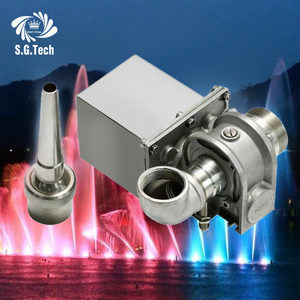
From single component fabrication to custom manifold engineering, complete show choreography control panels, and DMX512-integrated lighting, all systems undergo 100% factory hydrostatic pressure and flow-pattern testing before dispatch.
Use this reference table to evaluate flow rate ($C_v$), spray angles, operating pressures, and droplet classifications across specialized mist nozzle types.
| Nozzle Series / Type | Orifice Dia. (mm) | Operating Pressure | Flow Rate (L/min) | Spray Angle | Droplet Size (SMD) | Primary Application |
|---|---|---|---|---|---|---|
| High-Pressure Micro Mist (Ruby Insert) | 0.10 - 0.15 mm | 70 - 120 Bar | 0.03 - 0.07 L/min | 60° - 80° | 1 - 7 μm | Outdoor Evaporative Cooling, Theme Parks, Luxury Resorts |
| Impaction Pin Fog Nozzle | 0.15 - 0.30 mm | 50 - 100 Bar | 0.08 - 0.19 L/min | 85° - 90° | 5 - 12 μm | Landscape Fogging, Botanical Gardens, Architectural FX |
| Anti-Drip Stainless Steel Nozzle | 0.20 - 0.40 mm | 30 - 70 Bar | 0.10 - 0.28 L/min | 65° - 75° | 10 - 20 μm | Commercial Plazas, Agricultural Greenhouse Humidification |
| Low-Pressure Brass Atomizing Nozzle | 0.50 - 0.80 mm | 3 - 10 Bar | 0.35 - 1.20 L/min | 45° - 60° | 30 - 50 μm | Dust Suppression, Industrial Pre-Cooling, Garden Misting |
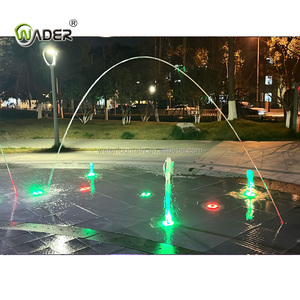
| Laminar & Jumping Jet Nozzle Assembly | 12.0 - 25.0 mm | 1.5 - 4.5 Bar | 25.0 - 120.0 L/min | Solid Jet (0°) | Cohesive Stream | Interactive Dry Deck Fountains, Dancing Musical Fountains |
| 3D Digital Swivel Fog & Water Jet | 6.0 - 18.0 mm | 3.0 - 8.0 Bar | 40.0 - 250.0 L/min | Dual Axis (±180°) | Targeted Jet/Mist | Large Scale Floating Lake Fountains, Water Screen Shows |
Combining integrated manufacturing infrastructure, deep hydraulic engineering expertise, and full-spectrum custom project execution.
When sourcing mist nozzles, pumps, and fountain controls from fragmented vendors, procurement teams face system incompatibility: pumps mismatched to nozzle head curves, uncalibrated pressure drops, and zero single-point accountability when fog coverage fails.
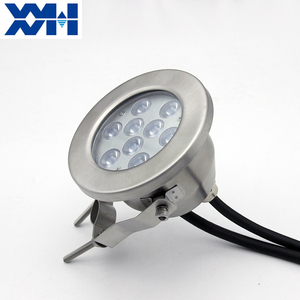
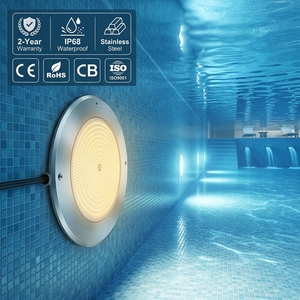
Leading Chinese manufacturers solve this by unifying Design, Precision Machining, Electronics Integration, and Quality Assurance under one roof. Every nozzle head, VFD controller, and underwater IP68 LED fixture is pre-tested as a complete hydraulic module before international freight shipping.
Industrial fog nozzles are exposed to harsh environments, hard water scaling, and high hydrostatic wear. Quality manufacturers standardise on SS316 Stainless Steel, Solid Brass with Nickel Electroplating, and Titanium Alloys for saline or chlorinated water applications.
Internal O-rings are fabricated from Viton (FKM) or Fluorosilicone, ensuring leak-free performance under fluid temperatures up to 140°C and resistance to acidic chemicals used in agricultural misting or industrial scrubbing.
Key technological shifts driving global engineering specifications and commercial architectural projects.
Modern B2B buyers are moving away from manual fogging manifolds toward smart systems equipped with RS485 Modbus and DMX512 controls. Integrated temperature, humidity, and wind speed sensors automatically modulate pump VFD frequencies and solenoid pulse cycles to optimize mist volume while cutting power consumption by up to 35%.
Environmental regulations demand sustainable water consumption. Future-ready fog systems integrate multi-stage UV sterilization, RO water softeners, and micro-screen filtration directly into the pump skid. This prevents mineral scaling (calcium/magnesium deposits) inside micro-orifices and enables 99% water recovery in closed-loop features.
High-density fog mist is increasingly utilized as a projection surface for lasers, 3D animations, and light displays in urban centers and theme parks. Specialized anti-wind fog nozzles create stable volumetric mist curtains with uniform optical opacity, turning ambient air into an immersive multimedia screen.
Direct technical answers regarding system design, installation, anti-clogging maintenance, and international supplier evaluation.
Low-pressure nozzles operate between 3 bar and 10 bar, producing larger droplets (30 to 50 microns) suitable for dust suppression or general garden watering, leaving noticeable wetness on surfaces. High-pressure nozzles operate at 50 bar to 100+ bar, creating micro-droplets (1 to 15 microns) that instantly evaporate in mid-air (flash evaporation), offering rapid outdoor cooling without wetting people or surrounding floors.
Premier Chinese suppliers employ a multi-tier anti-clogging strategy: 1) Built-in 5-micron sintered stainless steel filter screens within each nozzle body; 2) Micro-machined Ruby or Ceramic orifice cores that resist scale adherence; 3) Recommending Reverse Osmosis (RO) or dual-stage water softening skids to keep Total Dissolved Solids (TDS) below 50 PPM.
For seawater, coastal landscapes, or chlorinated swimming pool environments, specify SS316L (Low Carbon Stainless Steel) or Titanium alloy nozzles with Viton (FKM) seals. Standard SS304 or Nickel-plated Brass should only be used in fresh water features with neutral pH balance.
Multiply the total number of nozzles by individual nozzle flow rate at your target operating pressure. For example: 100 units of 0.15mm Ruby nozzles operating at 70 Bar consume approximately 0.05 L/min each. Total required flow = 100 × 0.05 = 5.0 L/min. Select a high-pressure ceramic plunger pump with a safety margin of at least 15-20% extra capacity.
For standard patio or plaza evaporative cooling, space 0.15mm–0.20mm nozzles every 50cm to 80cm apart along the high-pressure stainless steel tubing line. For dense volumetric landscape fog effects (e.g., garden rocks or water features), space nozzles 30cm to 50cm apart, using swivel fittings to direct mist trajectories.
Yes. High-pressure mist lines can be fitted with fast-acting 24V DC solenoid valves wired directly to DMX512 or PLC show controllers. This allows instantaneous on/off pulse effects synchronized to audio beats, underwater RGB lights, and jumping jet fountain sequences.
Export-grade suppliers maintain ISO 9001 quality management systems. Individual component batches undergo laser diffraction droplet size profiling (Malvern Spraytec), hydrostatic pressure burst testing up to 200 Bar, salt spray corrosion testing (ASTM B117), and IP68 submersible electrical certifications for LED lighting assemblies.
Standard mist nozzles (e.g., 1/4" thread SS316 with stock orifice sizes) ship within 5 to 7 business days. Custom OEM/ODM orders requiring specialized thread milling, custom flow calibration, or full pre-fabricated manifold assemblies typically require 15 to 25 calendar days including 100% wet-testing inspection.
Consult with China's leading fog mist nozzle engineers. Receive complete CAD drawings, flow calculations, 3D renderings, and direct factory quotation within 24 hours.
Contact Us