Top China DMX Fountain Light Factories & Suppliers

2025 Architectural Whitepaper & Procurement Guide for DMX512/RDM Submersible LED Lighting, OEM Selection Criteria, & System Integration

Featured DMX Fountain Hardware & Components

Precision-engineered underwater LED lights, digital jumping jet nozzles, and control hardware directly from verified technical manufacturers.
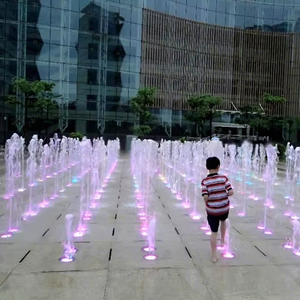
YOUSEE Outdoor Laminar Jumping Jet Fountain Nozzle
Inquire Now
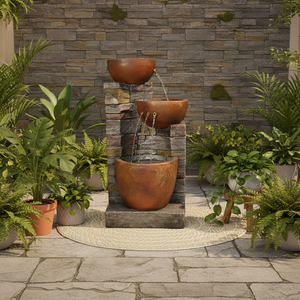
KW 3-Tier Rustic Resin Bowl Waterfall Fountain Stone Pillar Design Solar Powered Lighted Handmade Easy Install Outdoor Garden
KW 3-Tier Rustic Resin Bowl Waterfall Fountain Stone Pillar Design Solar Powered Lighted
Inquire Now
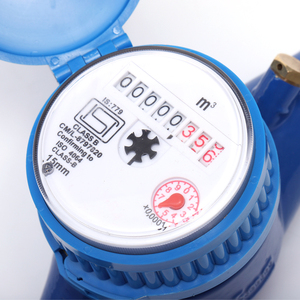
High Quality Brass Multi Jet Dry Type Digital Water Counter Meter
Inquire Now
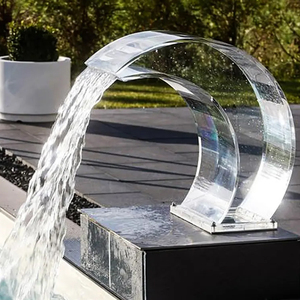
Custom Waterfall Fountain Indoor Outdoor 15w Acrylic Waterproof Ip65 Waterfall Fountain With Led Lights
Custom Waterfall Fountain Indoor Outdoor 15w Acrylic Waterproof IP65 Waterfall Fountain With LED Lights
Inquire Now
Wuxi Jumping Jet Water Fountain Nozzle Led
Wuxi Jumping Jet Water Fountain Nozzle LED
Inquire Now
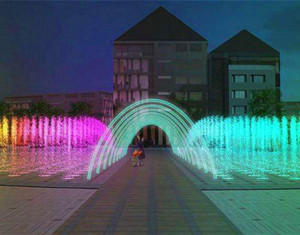
The Latest Variable Speed Programmable Outdoor Garden Lake DMX512 Musical Dancing Water Fountain Plaza Dry Deck Fountain
Latest Variable Speed Programmable Outdoor Lake DMX512 Musical Dancing Water Fountain System
Inquire Now
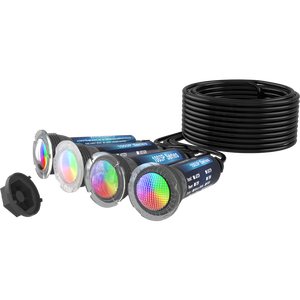
ETL Certified 1.5 Inch Underwater Pool Light IP68 Waterproof RGBW Color-Changing Nicheless Pool Light Compatible with Pentair
ETL Certified 1.5 Inch Underwater Light IP68 Waterproof RGBW Nicheless Light Compatible with Pentair
Inquire Now
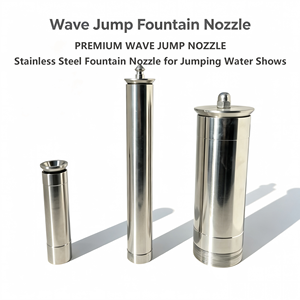
Commercial 304 Stainless Steel Wave Jump Jet Nozzle Shimmering Effect Fountain Head for Garden Pool Water Display Durable Easy
Commercial 304 Stainless Steel Wave Jump Jet Nozzle Head for Dynamic Garden Pool Display
Inquire Now
DMX512 / RDM
Protocol Standard Compliance
IP68 / 10Bar
Structural Water Protection
AISI 316L
Marine-Grade Stainless Housing
50,000+ Hrs
Thermal Driver L70 Lifetime

1. The Architecture of DMX512 & RDM Underwater Lighting Systems

Modern architectural fountain projects have evolved beyond static illumination into complex, multi-sensory water shows. Achieving millisecond-accurate dynamic color transitions synchronized with water pressure, variable frequency drives (VFDs), and music soundtracks requires specialized DMX512 and RDM (Remote Device Management) underwater LED luminaires. When engineering large-scale municipal plazas, floating lake fountains, or high-end resort water screens, procurement teams must look far beyond basic luminaire aesthetics and scrutinize internal hardware architecture.

DMX512 (Digital Multiplex 512) is the industry-standard asynchronous serial digital stream operating over an RS-485 physical layer. In underwater fountain environments, high refresh rate PWM (Pulse Width Modulation) dimming—typically exceeding 3,000Hz—is mandatory to eliminate visible flicker during broadcast-grade video capture. Modern tier-1 Chinese manufacturers incorporate bidirectionally capable ANSI E1.20 RDM protocols, allowing show operators to query real-time diagnostics such as internal junction temperature, operating voltage, moisture sensor status, and working hours directly from the central control console without sending divers or technicians into the fountain basin.

Information Gain Insight: Standard outdoor IP65/IP67 architectural lights frequently fail within months when deployed in dynamic fountain basins. High-velocity water jet impact, chemical dosing (chlorine, copper sulfate), and thermal expansion cycles demand true IP68 structural sealing rated for prolonged immersion under 10 meters of hydrostatic head pressure.

Key Photometric & Electrical Specifications for Enterprise Procurement

When drafting technical RFQs for commercial fountain lighting projects, engineers must mandate the following foundational parameters:

Optical Precision & Beam Angles

Narrow spot beams (8° to 15°) penetrate high-altitude vertical jet plumes up to 30 meters, whereas medium elliptical optics (15° x 45°) are optimized for laminar jumping jets and wide water walls.

Constant-Current Submersible Drivers

Integrated low-voltage DC24V or DC48V drivers feature soft-start circuitry, over-voltage protection, and auto-thermal throttling to prevent catastrophic LED thermal runaway during empty-basin maintenance.

Thermal & Galvanic Protection

CNC-machined solid AISI 316L stainless steel or die-cast marine-grade aluminum (EN AC-44300) coated with fluorocarbon passivation prevents galvanic corrosion in chlorinated or saltwater installations.

2. Future Sourcing & Industry Trends for DMX Fountain Lighting (2025–2030)

The global fountain and entertainment landscape is undergoing a massive shift towards energy conservation, intelligent telemetry, and color fidelity. Procurement teams and engineering consultants evaluating Chinese DMX light factories must align their sourcing strategies with several key macro trends shaping the market:

A. Transition from Standard RGB to High-CRI RGBW / RGBA & Dynamic White

Traditional 3-channel RGB (Red, Green, Blue) submersible fixtures suffer from muddy white tones and low Color Rendering Index (CRI). Sourcing trends in 2025 demonstrate a 70% increase in 4-channel (RGBW with 3000K or 6000K dedicated White die) and 5-channel (RGBA + Amber or RGBWW) luminaire specification. The addition of amber or warm white diodes allows lighting designers to render skin tones accurately during live performances, highlight classical stone sculptures in heritage sites, and create saturated pastels impossible with standard RGB color mixing.

B. Structural IP68 Glandless Sealing vs. Epoxy Resin Filling

Historically, low-cost manufacturers relied heavily on potting luminaires with clear polyurethane or epoxy resin to achieve water protection. However, resin aging under intense solar UV exposure leads to yellowing, thermal trapping, and eventual micro-cracking. Next-generation tier-1 factories have shifted entirely to precision mechanical structural sealing: vulcanized silicone O-rings, toughened tempered glass covers, and IP68 nickel-plated brass or 316L stainless cable glands with anti-wicking inner seals. This enables modular repairability and vastly superior thermal conductivity.

Evaluation Parameter Legacy Epoxy Potting Fixtures Next-Gen Structural IP68 Sealing
Thermal Dissipation Poor (Epoxy acts as thermal insulator) Excellent (Direct contact with metal housing)
UV & Chemical Resistance Degrades/Yellows over 12–18 months Immune (Tempered Glass + AISI 316L Body)
Field Repairability Non-repairable (Single-use waste) Fully serviceable (Replaceable driver/LED engine)
Hydrostatic Pressure Rating Typically IP67 to IP68 (1–2 meters max) Certified IP68 (10 to 30 meters continuous)
DMX Signal Reliability Signal degradation from resin expansion Optically isolated DMX lines with shielding

C. High-Density Power over Ethernet (PoE) & Smart IoT Telemetry Integration

With the integration of smart city central management software (CMS), fountain lighting systems are moving away from centralized high-power DC distribution lines. Emerging projects utilize intelligent DMX-over-Ethernet (Art-Net / sACN) nodes located inside localized IP67 sub-distribution boxes. Sourcing high-efficiency DC48V DMX lights reduces copper cable cross-section requirements by up to 60%, drastically cutting project balance-of-plant (BOP) cabling costs over long perimeter runs.

3. Enterprise OEM/ODM Factory Selection & Vetting Framework in China

China remains the global epicenter for underwater lighting production, hosting thousands of manufacturing entities ranging from small assembly workshops to fully automated ISO9001-certified industrial conglomerates. For international procurement managers, engineering firms, and fountain contractors, selecting the right supply partner demands a rigorous, multi-tiered vetting methodology.

1. Metallurgical & Chemical Testing

Require spectrographic alloy test reports (PMI test) verifying 316L stainless steel composition (Molybdenum content > 2.0%) to guarantee longevity in aggressive chemical water environments.

2. In-House IP68 Pressure Testing

Verify whether the factory operates automated hyperbaric water pressure tanks capable of testing 100% of finished production batches at 0.5–1.0 MPa (50–100m depth equivalent) for minimum 24 hours.

3. Photometric & ESD Compliance

Legitimate factories possess integrating spheres and goniophotometers to supply IES photometric files, as well as ESD protection line controls to protect sensitive DMX IC chips from static damage.

Vetting Checklist for Supply Chain Audits: Always request UL/ETL certification numbers, CE-EMC compliance certificates, IP68 test verification reports from accredited third-party labs (SGS, TUV, Intertek), and proof of DMX control chip origin (e.g., Texas Instruments RS-485 transceivers, Microchip/STMicroelectronics MCUs).

4. Strategic Manufacturing Capability: Symphony Fountains Advantage

At Symphony Fountains, we bridge the historic gap between lighting equipment manufacturing, hydraulic engineering, and show control programming. Based in Vadodara, India, with global manufacturing links and project delivery footprints, Symphony Fountains offers complete single-source accountability for water, light, and music integration.

When purchasing DMX fountain lights, buyers often suffer from split vendor responsibility: the light supplier blames the DMX control system manufacturer, who in turn blames pump VFD electrical noise for signal dropouts. Symphony Fountains eliminates system friction by engineering and supplying fully integrated component ecosystems:

  • In-House Nozzle & Luminaire Engineering: Over 24 programmable water nozzle patterns (including 3D digital heads, laminar jumping jets, and air shooters) designed to mate directly with matching ring-type or center-hole DMX512 underwater LED fixtures.
  • Proprietary Show Control Systems: In-house manufactured control panels featuring optically isolated DMX splitters, VFD motor noise suppression filters, and native audio-to-water choreography software.
  • Proven Global Record: Proven execution capability on mega-scale landmarks, including the world-class 180-meter floating musical fountain at Hussain Sagar, Hyderabad, alongside high-profile installations for Reliance Greens, Science City Ahmedabad, and municipal lakefronts worldwide.

Looking for Custom DMX Fountain Lighting Engineering?

Consult with our senior hydraulic and optical engineers today. Get complimentary CAD layout drawings, 3D visual walkthroughs, and precise DMX lighting schedules tailored to your project budget.

Inquire Now

5. Deep-Dive Technical & Sourcing FAQs

Below are authoritative technical solutions to the most frequent engineering challenges encountered during DMX underwater lighting specification and procurement.

How does DMX512 address auto-assignment work in underwater fountain lights?
Manual DMX address coding using DIP switches or handheld IR remotes is prone to water leakages over time. Modern tier-1 DMX lights utilize either automatic RDM (Remote Device Management) addressing over the DMX signal line or built-in auto-addressing ICs (such as UCS512C/SM16511). This allows the master controller to sequentially set DMX start addresses automatically based on physical wiring order, vastly simplifying installation and field maintenance.
What causes DMX signal flicker in fountain installations and how is it prevented?
Signal flickering is typically caused by electromagnetic interference (EMI) generated by adjacent high-power submersible pump Variable Frequency Drives (VFDs), voltage drops over long cable runs, or missing terminal resistors. Prevention requires using double-shielded twisted-pair DMX cables (RS-485 rated, 120-ohm characteristic impedance), installing optically isolated DMX splitters/repeaters every 32 fixtures or 100 meters, and placing a 120-ohm termination resistor across DMX+ and DMX- at the end of every signal chain.
Why is DC24V or DC48V mandatory over AC220V for fountain lights?
Under international electrical standards (IEC 60364-7-702 and NEC Article 680), underwater luminaires installed in walkable basins, swimming pools, or interactive dry deck play fountains must operate under Safety Extra-Low Voltage (SELV), typically defined as max 12V AC or 30V DC (ripple-free). Operating low-voltage DC24V or DC48V protects the public from electric shock hazards while allowing high wattage LED engines to run safely.
What is the difference between AISI 304, 316, and 316L stainless steel in fountain light manufacturing?
AISI 304 is suitable for clean freshwater fountains with low chlorine levels. AISI 316 contains 2–3% Molybdenum, providing significantly higher resistance to pitting and crevice corrosion caused by chlorination and industrial pollutants. AISI 316L is the ultra-low carbon variant of 316, preventing carbide precipitation during laser/TIG welding of light housings, making it essential for harsh marine environments, saltwater lakes, and coastal fountain shows.
How do you calculate voltage drop for low-voltage underwater DMX lighting runs?
Voltage drop (V_drop) is calculated using the formula: V_drop = (2 * L * I * R) / 1000, where L is one-way cable length in meters, I is total current in amperes, and R is conductor resistance in ohms/km (based on AWG wire size). To prevent LED dimming at the end of a chain, voltage drop should not exceed 5% of nominal voltage. Strategies include supplying power from both ends of the trunk line, increasing cable cross-section (e.g., 2.5mm² or 4.0mm²), or deploying DC48V system architectures.
What thermal management mechanisms prevent underwater LEDs from burning out during dry testing?
Quality DMX fountain lights feature integrated NTC (Negative Temperature Coefficient) thermal sensors on the LED PCB. If maintenance crews turn on the fountain lights while the basin is drained (lacking ambient water cooling), the intelligent driver automatically reduces current output (thermal throttling) or shuts down when junction temperature exceeds 75°C, preventing thermal damage to the LED chips and optics.
What cable jacket material is best suited for continuous underwater IP68 submersion?
Standard PVC cables deteriorate, stiffen, and crack under long-term submersion and UV exposure. Professional fountain lights require H07RN-F heavy-duty rubber cables or specialized TPU (Thermoplastic Polyurethane) jackets. TPU provides superior tensile strength, chemical resistance against chlorine and ozone, UV stability, and remains flexible in water temperatures ranging from -20°C to +70°C.
Can DMX fountain lights be integrated into central PLC or building management systems (BMS)?
Yes. DMX512 controllers can easily interface with PLC or BMS networks via Modbus TCP/IP, BACnet, Art-Net, or sACN gateways. This enables facility operators to schedule lighting shows, dim intensity during off-peak hours, or trigger automated warning colors based on system telemetry (such as high wind speed or water level alerts).
What are the typical lead times and MOQ for sourcing custom OEM DMX lights from China factories?
Standard catalog models typically carry a minimum order quantity (MOQ) of 10 to 50 pieces with lead times of 10–15 business days. Fully customized OEM fixtures requiring unique CNC bracket designs, specialized beam angles (e.g., 5° ultra-narrow spot), or customized cable lengths generally require 25–35 days after CAD and sample approval.
Why is single-source procurement (nozzles + lights + control systems) advantageous over multi-vendor purchasing?
Single-source procurement ensures absolute physical, optical, and electrical compatibility. Nozzle mounting brackets precisely align with light center holes, light beam spread matches water jet trajectory, and show controllers are pre-mapped to driver PWM frequencies, preventing costly on-site modifications, system troubleshooting delays, and vendor disputes during commissioning.

Ready to Source High-Performance DMX Fountain Lighting?

Partner with Symphony Fountains for complete end-to-end solutions—from hydraulic engineering and custom LED luminaire fabrication to 3D show programming and global field installation support.

Inquire Now