 SymphonyFountains SymphonyFountains
 Industrial-grade hydrodynamic solutions tailored for Singapore's high-head commercial projects, urban fountain architecture, and deep hydraulic infrastructure.
An in-depth analysis of vertical water transportation, high static pressure resistance, and extreme reliability requirements across Singapore's modern infrastructure.
Singapore’s ultra-dense urban landscape presents unique fluid dynamics challenges. From tall commercial skyscrapers in Marina Bay to subterranean drainage networks like the Public Utilities Board (PUB) Deep Tunnel Sewerage System (DTSS), high static pressure and strict energy efficiency mandates drive the procurement of heavy-duty pumping equipment. A high head pump is specialized hydraulic equipment engineered to generate high discharge pressure—translating to substantial vertical lift capability (Total Dynamic Head or TDH often exceeding 50 meters to over 300 meters) while maintaining controlled volumetric flow rates.
In municipal water engineering, architectural mega-fountains, and industrial cooling loops, selection criteria for high head pumps in Singapore extend far beyond basic flow metrics. Contractors and MEP consultants demand strict compliance with Singapore Standard SS 636 (Code of Practice for Water Services), energy efficiency standards aligned with the Building and Construction Authority (BCA) Green Mark 2030 Masterplan, and exceptional material metallurgy capable of resisting aggressive water chemistries, including recycled NEWater, desalinated water, and tropical marine air salinity.
High head pumps operate under elevated internal hydrostatic pressures. This requires precision-engineered impellers, heavy-wall pump casings (SS316, Duplex 2205, or high-tensile Ductile Iron GGG50), dynamic mechanical seals with Silicon Carbide/Silicon Carbide (SiC/SiC) friction faces, and high-efficiency VFD-compatible motors. Whether for high-altitude vertical jet musical fountains or high-rise water pressure boosting, understanding pump curves, Net Positive Suction Head (NPSH), and hydraulic efficiency profiles is essential to preventing cavitation and premature wear.
Understanding Total Dynamic Head (TDH), NPSHr parameters, variable frequency drive integration, and impeller hydraulic design.
High head generation requires sequential pressure build-up. In multistage centrifugal pumps, fluid exits the discharge eye of one impeller and is directed via precise diffusers into the inlet eye of the next. Each stage incrementally adds pressure head without increasing shaft rotation speed, resulting in smooth hydraulic acceleration and maximum pressure output with reduced radial thrust.
Singapore’s PUB energy regulations mandate variable speed control. Integrating Variable Frequency Drives (VFDs) enables real-time adjustments of motor RPM based on pressure sensors. In musical fountain and dynamic water display setups, VFD-driven high head pumps change jet heights instantly, matching millisecond-level DMX512 visual choreography.
At elevated discharge pressures, fluid velocity within the impeller suction eye increases the risk of cavitation—where local vapor pressure drops below liquid vapor pressure, forming micro-bubbles that implode and erode metal surfaces. Our high head pumps are hydraulic-engineered for exceptionally low Net Positive Suction Head Required (NPSHr), ensuring stable operation even under high suction lifts and elevated water temperatures.
Selecting a high head pump for Singapore installation requires analyzing the System Head Curve against the Pump Performance Curve (Q/H curve). The operating point must sit within the Best Efficiency Point (BEP)—typically between 70% and 85% of maximum flow efficiency. Running a pump too far to the right causes motor overload and cavitation; running too far to the left leads to radial shaft deflection, seal overheating, and bearing failure. Our technical engineering team provides custom CFD-simulated pump curves for every enterprise inquiry.
Tailored high head pumping solutions engineered to meet the stringent demands of Singapore's urban density, marine environments, and civic attractions.
High-rise residential and commercial towers (e.g., Tanjong Pagar Centre, Marina Bay Financial Centre) require multi-stage vertical inline booster pumps to overcome static elevation losses exceeding 200 meters, delivering constant pressure to upper floors while respecting PUB pressure limits.
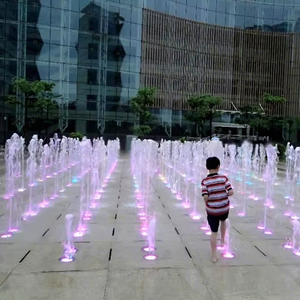
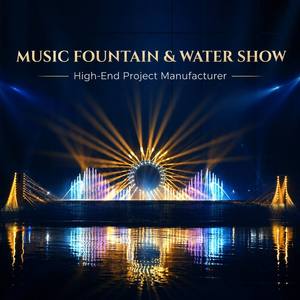
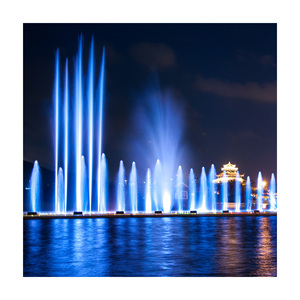
Iconic water displays at Sentosa Boardwalk, Marina Bay Sands, and public parks demand submersible high head pumps with instantaneous response times. Coupled with DMX512 controls and high-pressure laminar nozzles, these pumps project water jets 50 to 100 meters vertically.
In Tuas Mega Port and Jurong Island chemical complexes, heavy industrial high head pumps circulate raw seawater or saline effluent for heat exchangers. Cast Duplex stainless steel (2205/2507) construction prevents severe pitting and crevice corrosion.
Singapore’s tropical flash floods require storm-water dewatering submersibles capable of clearing underground reservoirs and DTSS shaft basins. High head cutter and non-clog impellers clear solid debris and slurry under high static heads.
Key regulatory frameworks, sustainability benchmarks, and technology shifts influencing high head pump procurement across the island state.
Singapore’s national climate target mandates that 80% of buildings be certified Green Mark by 2030. Pumping systems account for up to 15% of a building's total HVAC and hydraulic energy consumption. Procuring ultra-efficient IE4/IE5 permanent magnet motor-driven pumps with integrated VFDs is now essential for project compliance and building score certification.
The Public Utilities Board is accelerating the rollout of smart monitoring technologies. Modern high head pumps supplied to Singapore are increasingly equipped with IoT sensor arrays—monitoring vibration, bearing temperature, mechanical seal leakage, and power factor. Data is transmitted via Modbus RTU or BACnet protocols into centralized Building Management Systems (BMS).
Singapore's reliance on NEWater (reclaimed water) and desalination requires specialized pump metallurgy. High dissolved solids and trace chlorine ions accelerate oxidation in standard cast-iron pumps. Factory suppliers are transitioning to passivated SS316L, Duplex stainless steel, and specialized ceramic internal coatings to ensure 15+ year operational lifespans.
In-house manufacturing precision, custom hydrodynamic testing, integrated DMX lighting controls, and full EPC project delivery.
As an established high head pump manufacturer and water feature engineering supplier, our production hub combines advanced fluid dynamics R&D, precision CNC machining, and automated dynamic balancing. Unlike trading suppliers who assemble disparate off-the-shelf components, our fully integrated manufacturing model ensures that every motor, impeller shaft, mechanical seal, and control panel operates as a single cohesive unit.
Every high head impeller is custom-designed using Computational Fluid Dynamics (CFD) software to minimize internal recirculation, turbulences, and hydraulic losses, maximizing kinetic energy conversion.
Prior to shipment to Singapore, every pump undergoes hydraulic performance bench testing under full load to verify Q/H curves, power consumption, sound decibels, and hydro-static pressure seal integrity.
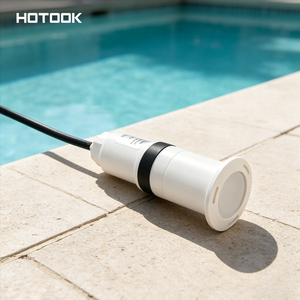
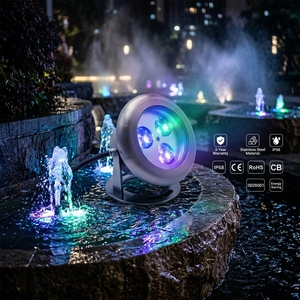
Beyond standard industrial pumps, our specialized fountain series seamlessly integrates DMX512/ArtNet control protocols, IP68 underwater LED lighting, and high-speed solenoid valves for turnkey musical water shows.
Expert answers addressing localized engineering standards, freight timelines, installation compliance, and operational maintenance.
Contact our fluid dynamics engineering team today for custom pump selection, CFD hydraulic reports, pricing quotations, and project technical drawings.