 SymphonyFountains SymphonyFountains
 Precision-engineered floating fountains, digital nozzles, and interactive spray equipment
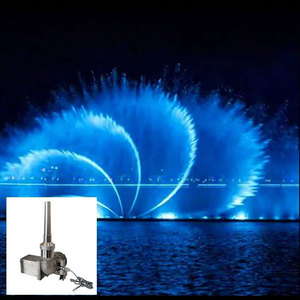
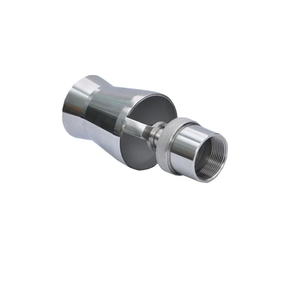
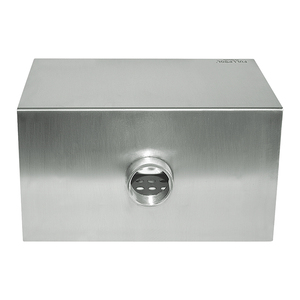
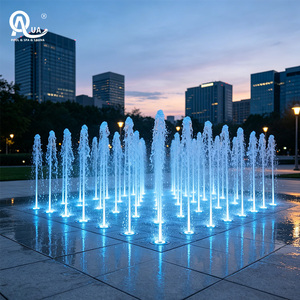
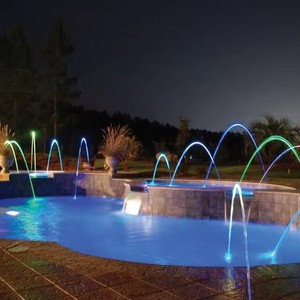
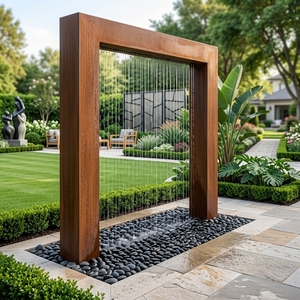
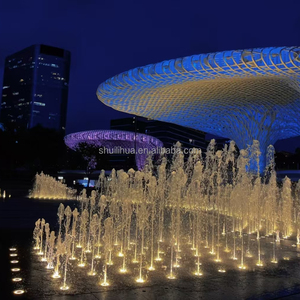
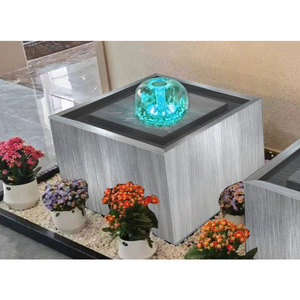
Floating fountain aerators serve a dual critical purpose in modern water body management: delivering essential dissolved oxygen (DO) to aquatic ecosystems while creating visual water displays. For hydro-engineers, municipal water authorities, luxury resort developers, and agricultural directors across Greece and the wider Mediterranean, selecting the correct aeration technology directly impacts water clarity, organic sludge reduction, cyanobacteria prevention, and long-term operating expenditure (OpEx).
This technical guide evaluates the manufacturing landscape of high-performance floating fountain aerators. It compares top China OEM/ODM production capabilities with local deployment strategies in Greece, aligning with European Union environmental standards (EU Water Framework Directive 2000/60/EC), IP68 electrical safety requirements, and marine-grade corrosion resilience protocols.
Static water bodies experience severe thermal stratification during Mediterranean summers. Solar radiation warms the surface layer (epilimnion), leaving it isolated from the cold, oxygen-depleted bottom layer (hypolimnion). This anaerobic state leads to sediment nutrient release (phosphorus and nitrogen), driving toxic blue-green algae (cyanobacteria) blooms, foul odor production (H₂S), and fish kills.
Technical Insight: Floating fountain aerators disrupt thermal stratification through vertical water circulation. By pulling stagnant water from deeper zones and spraying it into atmospheric contact, the water transfers oxygen while releasing dissolved toxic gases. High-flow axial impellers achieve both gas exchange and aesthetic water patterns.
When selecting between China-manufactured aerators and European alternatives, engineers must evaluate two key oxygen transfer performance metrics:
Below is a comparative breakdown showing how modern industrial-grade floating aerator systems manufactured in China perform against traditional surface spray units and European legacy equipment:
| Parameter / Feature | Industrial Floating Aerator (China OEM) | European Standard Fountain Aerator | Traditional Surface Agitator |
|---|---|---|---|
| Material Grade | AISI 316 / 316L Stainless Steel + HDPE Flotation | AISI 304 Stainless Steel / Composite | Cast Iron / Standard Bronze / Plastic |
| Motor Efficiency Class | IE3 / IE4 Premium Submersible (VFD Compatible) | IE2 / IE3 Submersible | Standard IE1 Submersible |
| Impeller Hydrodynamics | 3D Precision-Cast Anti-Winding Axial Impeller | Standard Multi-Vane Impeller | Open Paddle Wheel / Simple Propeller |
| Illumination Integration | DMX512 RGBW High-Lumen Submersible LED (IP68) | Standard Analog RGB / Halogen | Non-Illuminated / Basic Mono LED |
| Operational Lifespan (L10) | > 50,000 Hours Continuous Operating Life | 35,000 Hours Continuous Operating Life | 15,000 – 20,000 Hours Operating Life |
| CapEx Cost Advantage | High (40% - 60% Savings Direct-from-Factory) | Baseline High Premium Cost Structure | Low Initial Cost, High Maintenance OpEx |
Greece presents diverse hydrological environments, ranging from coastal saltwater lagoons and island resort lake features to interior agricultural reservoirs in Thessaly and urban public parks in Athens and Thessaloniki. Deploying floating fountain aerators requires specific engineering adjustments tailored to localized climate and water chemistry conditions:
Locations such as Mykonos, Santorini, Rhodes, and Crete require floating fountain aerators engineered with AISI 316L stainless steel hulls and sacrificial zinc anodes. These protect components from high salinity, brackish water, and intense marine air spray while delivering illuminated water displays for evening guest venues.
Urban water features like Lake Vouliagmeni, Ioannina's Lake Pamvotis, and municipal park ponds require heavy-duty destratification to control organic sludge accumulation. High-volume spray aerators increase surface oxygenation, mitigating unpleasant odors and preventing summer algae growth.
Agricultural irrigation reservoirs across the Thessaly plains and olive grove basins in Peloponnese use floating aerators to break down organic matter and prevent drip irrigation emitter clogging caused by cyanobacteria slime. High oxygen transfer rates also improve water quality for freshwater aquaculture farms.
Direct sourcing from specialized Chinese manufacturers offers significant advantages in hydraulic innovation, scalable manufacturing, and cost efficiency. Leading Chinese factories utilize CNC multi-axis machining, robotic laser welding of stainless steel floats, and dynamic balancing test bays to ensure long-term mechanical dependability.
Greek engineering firms, municipal contractors, and commercial procurement teams should verify the following quality certifications when importing equipment from Chinese manufacturers:
Logistics Advisory (Piraeus & Thessaloniki Ports): Chinese OEM exporters handle customs documentation, HS code classification (e.g., 8413.70 for submersible pump assemblies), and sea freight logistics directly to major Greek ports. Pre-wired quick-connect IP68 harnesses simplify on-site installation by local Greek contractors, lowering commission times by over 50%.
Working with an established fountain aerator manufacturer provides end-to-end technical support that standard trading intermediaries cannot match. Key enterprise advantages include: