Industry Analysis & Future Forecasting Key Trends Shaping the Future of Multimedia Water Laser Show Systems
As commercial developers, municipal tourism boards, and entertainment venues seek higher return on investment (ROI) and lower operational expenditure (OPEX), the multimedia water feature industry is undergoing rapid technical evolution.
1. Integration of AI-Driven Automated Hydro-Choreography & Real-Time Sound Analysis
Historically, programming a 15-minute multimedia water laser show required weeks of manual timeline scripting by dedicated show programmers—adjusting each pump VFD curve, DMX color channel, and laser scanner path individually. The emerging trend relies on AI-assisted choreography software platforms. These systems parse audio waveforms in real-time, mapping frequency bands (bass, midrange, treble) directly to dynamic hydraulic nozzles and laser beam patterns. This drastically reduces commissioning timelines while permitting live music synchronization during outdoor concerts and cultural festivals.
2. Transition to High-Efficiency Direct-Drive RGB Diode Lasers
Legacy water show laser installations depended heavily on gas-ion lasers or bulky DPSS (Diode-Pumped Solid-State) light engines that required active water cooling, possessed low wall-plug energy efficiency, and required frequent optical crystal recalibration. Next-generation systems feature semiconductor direct-diode RGB laser modules with IP65/IP66 climate-controlled housings. These units deliver superior beam divergence (<1.0 mrad), ultra-fast galvo scanning speeds (>50,000 pps), low power consumption, and zero warm-up time—reducing maintenance costs by up to 60% over a 5-year operational lifecycle.
3. Hybrid Multi-Dimensional Projection Surfaces
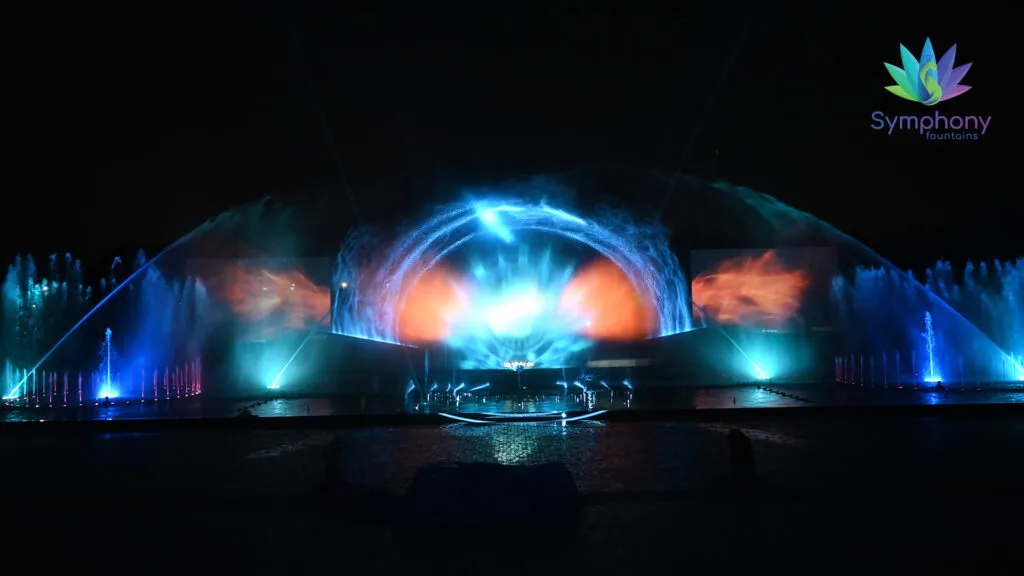
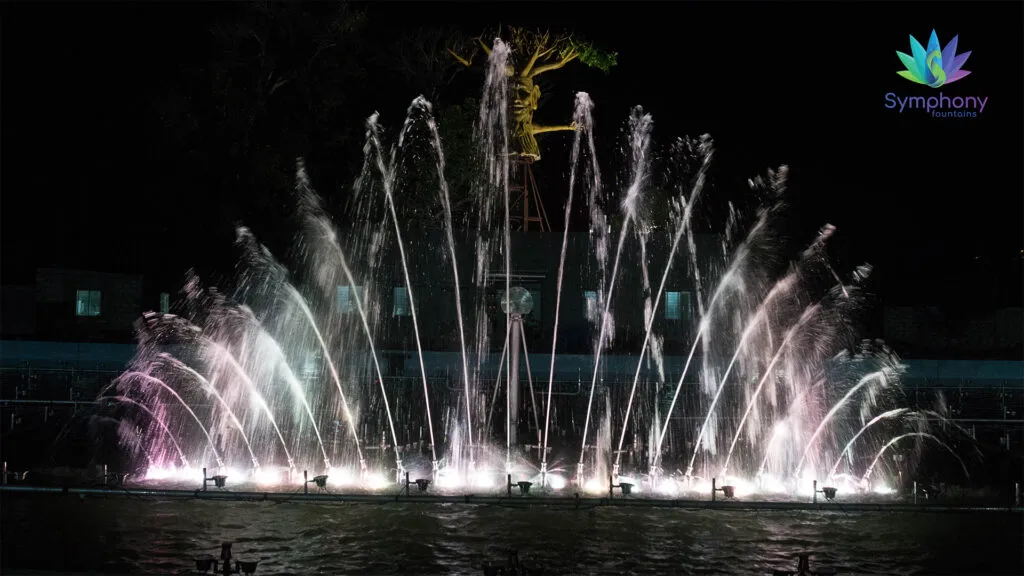
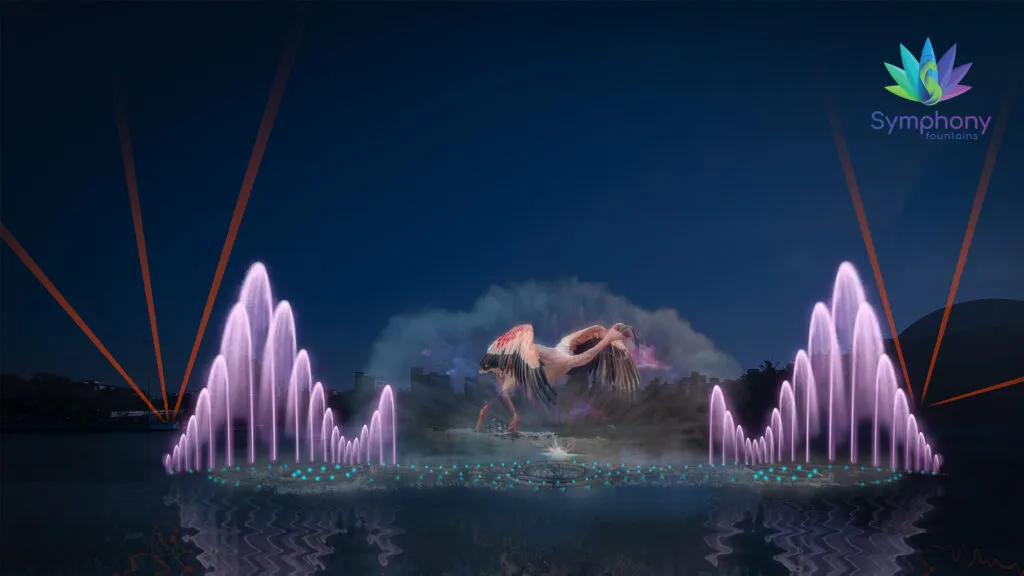
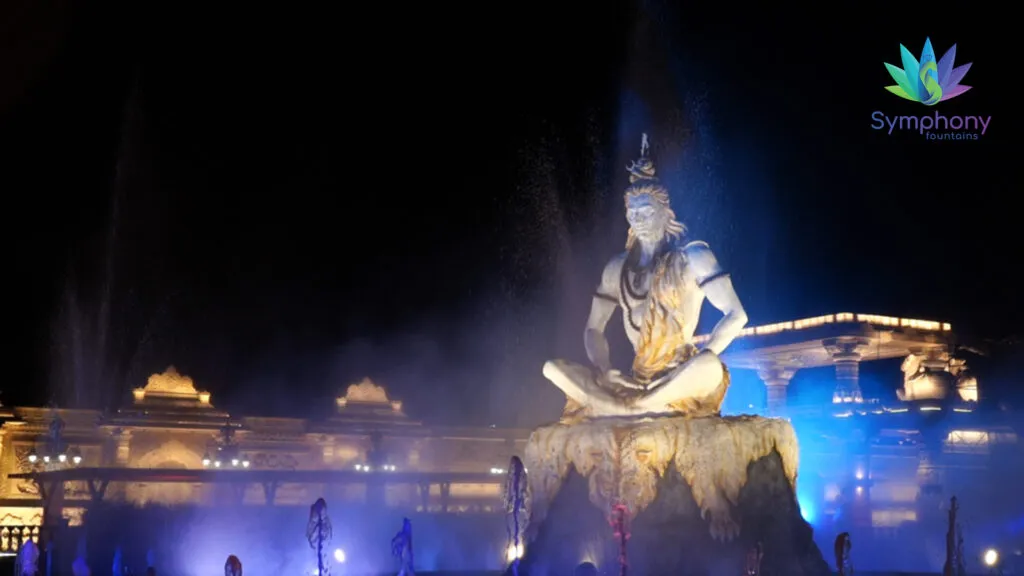
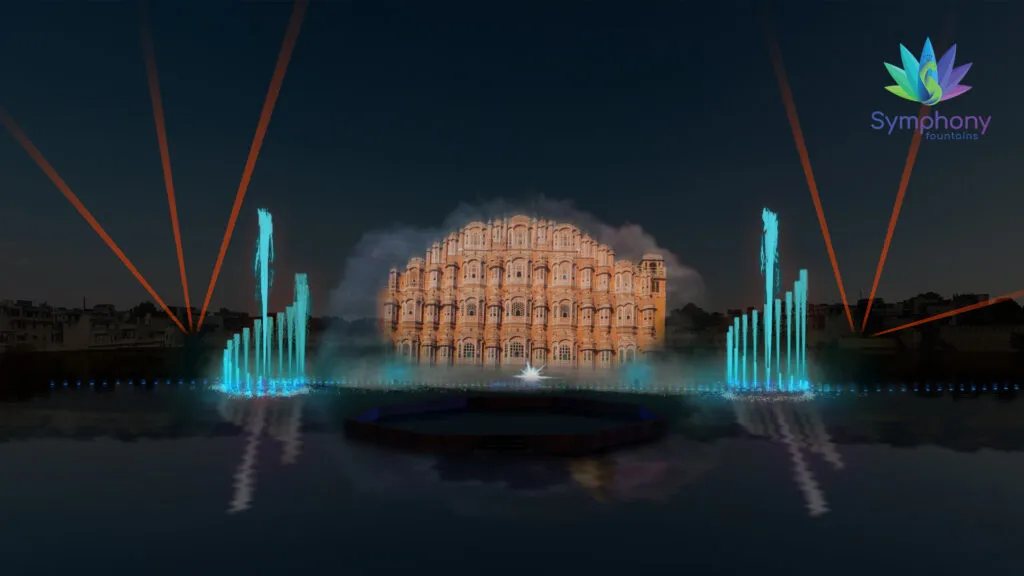
The traditional semi-circular water screen is expanding into multi-layered visual environments. Modern project briefs increasingly demand a combination of micro-mist fog curtains, high-velocity fan water screens, and transparent digital water curtains. By projecting laser vector graphics and 3D video content across overlapping fluid surfaces at varying depth planes, spatial depth (stereoscopic 3D without glasses) is achieved, turning natural lakes and urban harborfronts into immersive digital theaters.
4. Eco-Friendly Closed-Loop Hydraulics & Solar-Integrated Power Management
Environmental sustainability and water conservation have become critical compliance hurdles for municipal projects. Future-ready Multimedia Water Laser Show Systems prioritize closed-loop filtration, continuous UV sterilization, and variable-frequency hydraulic energy recovery. Advanced control panels now interface directly with solar microgrids and battery energy storage systems (BESS), allowing large visual shows to run during peak evening hours using clean power stored during daylight hours.